What is Facilities Management? A Comprehensive Guide for 2026
Introduction
Facilities management is the field responsible for ensuring that buildings and infrastructure operate efficiently to support an organization’s core activities. From offices to hospitals, and from hotels to factories, facilities management plays a pivotal role in the success of any organization.
Defining Facilities Management
Facilities Management (FM) is a multidisciplinary profession that ensures the functionality, comfort, safety, and efficiency of the built environment. It integrates people, places, processes, and technology.
Scope of Facilities Management
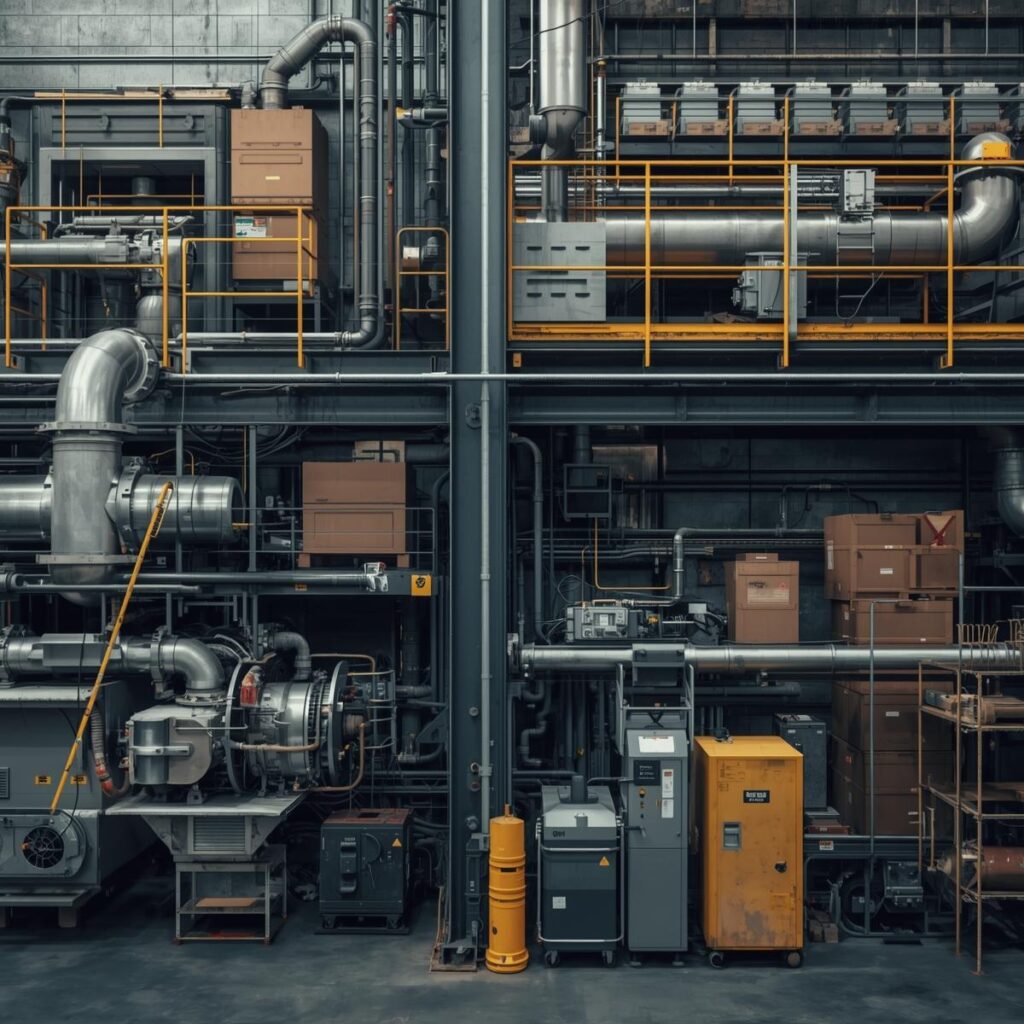
Hard Services
Related to the physical building and its systems:
- HVAC maintenance (heating, ventilation, and air conditioning)
- Electrical systems and lighting maintenance
- Plumbing and water systems maintenance
- Elevator and escalator maintenance
- Fire and safety systems maintenance
- Building facade and roof maintenance
Soft Services
Related to services provided to building occupants:
- Cleaning and housekeeping services
- Security and guard services
- Parking management
- Reception services
- Waste management and recycling
- Landscaping and outdoor area maintenance
Facilities Manager Responsibilities
- Ensuring the safety and comfort of building occupants
- Managing vendor and service provider contracts
- Planning and implementing preventive maintenance programs
- Managing facilities budget and optimizing costs
- Ensuring compliance with building and safety regulations
- Space management and optimal usage planning
- Emergency response and evacuation plans
- Implementing sustainability initiatives and energy conservation
Facilities Management in Different Sectors
Offices and Commercial Buildings
Focus on employee comfort, air quality, lighting, and space management.
Hospitals and Healthcare Facilities
Strict standards for cleaning and sterilization, medical equipment maintenance, critical HVAC systems.
Hotels and Hospitality
Focus on guest experience, quick response to complaints, building appearance.
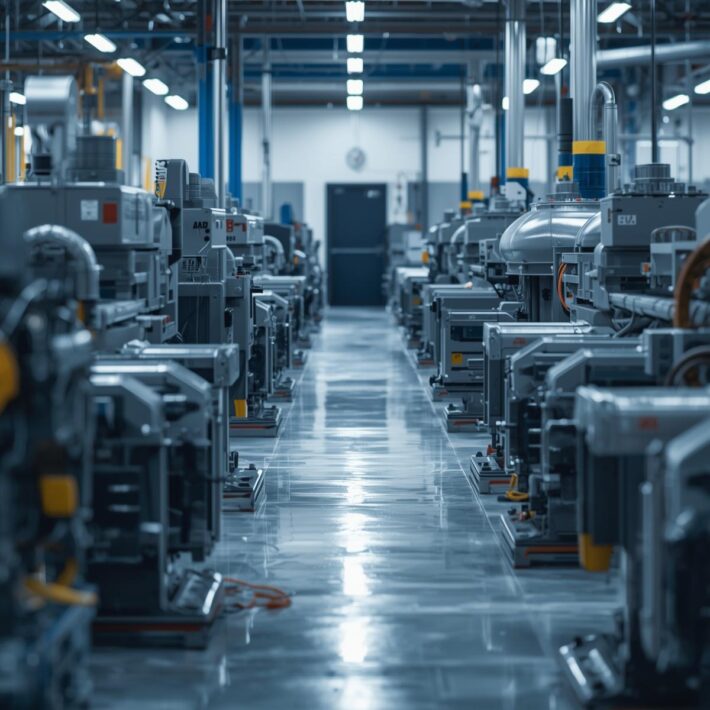
Factories and Industrial Facilities
Production support, utility management (water, electricity, compressed air).
Common Challenges in Facilities Management
- Cost reduction pressures while maintaining quality
- Managing old buildings requiring intensive maintenance
- Balancing multiple occupant requirements
- Keeping pace with new technologies and smart building systems
- Compliance with increasing environmental and sustainability regulations
The Future of Facilities Management
The field is experiencing major transformations with:
- Smart buildings and Internet of Things (IoT)
- Digital Twin for buildings
- Sustainability and green buildings
- Flexible and hybrid work and its impact on space management
Conclusion
Facilities management is a strategic partner in the success of any organization. An effective facilities manager balances occupant needs, cost efficiency, and compliance with standards.